Smart Health for High Blood Pressure
Turning Hypertension Education Into Action
For some Lincoln residents, learning to check their blood pressure has done much more than teach a new skill. It has uncovered a serious health risk—and helped connect them to potentially life-saving care.
Nebraska Extension Health & Wellbeing's program brings hypertension education, health coaching and blood pressure self-monitoring directly into community settings. The eight-session program helps participants create personal health goals and build practical skills around healthy eating, physical activity, stress reduction, medication management and communication with healthcare providers. Participants also learn how to accurately measure and track their blood pressure at home.
The results demonstrate meaningful change. Since 2024, Nebraska Extension has offered 172 hypertension education sessions reaching 266 unique participants in Lancaster County. Among participants completing the program, blood pressure readings decreased by an average of 10 mmHg from the first to eighth session. Classes were offered in Arabic, Chinese, English, Karen, Pashto, Spanish and Vietnamese. But the participants' experiences tell an even more powerful story.
Knowing Your Numbers Can Change Your Life
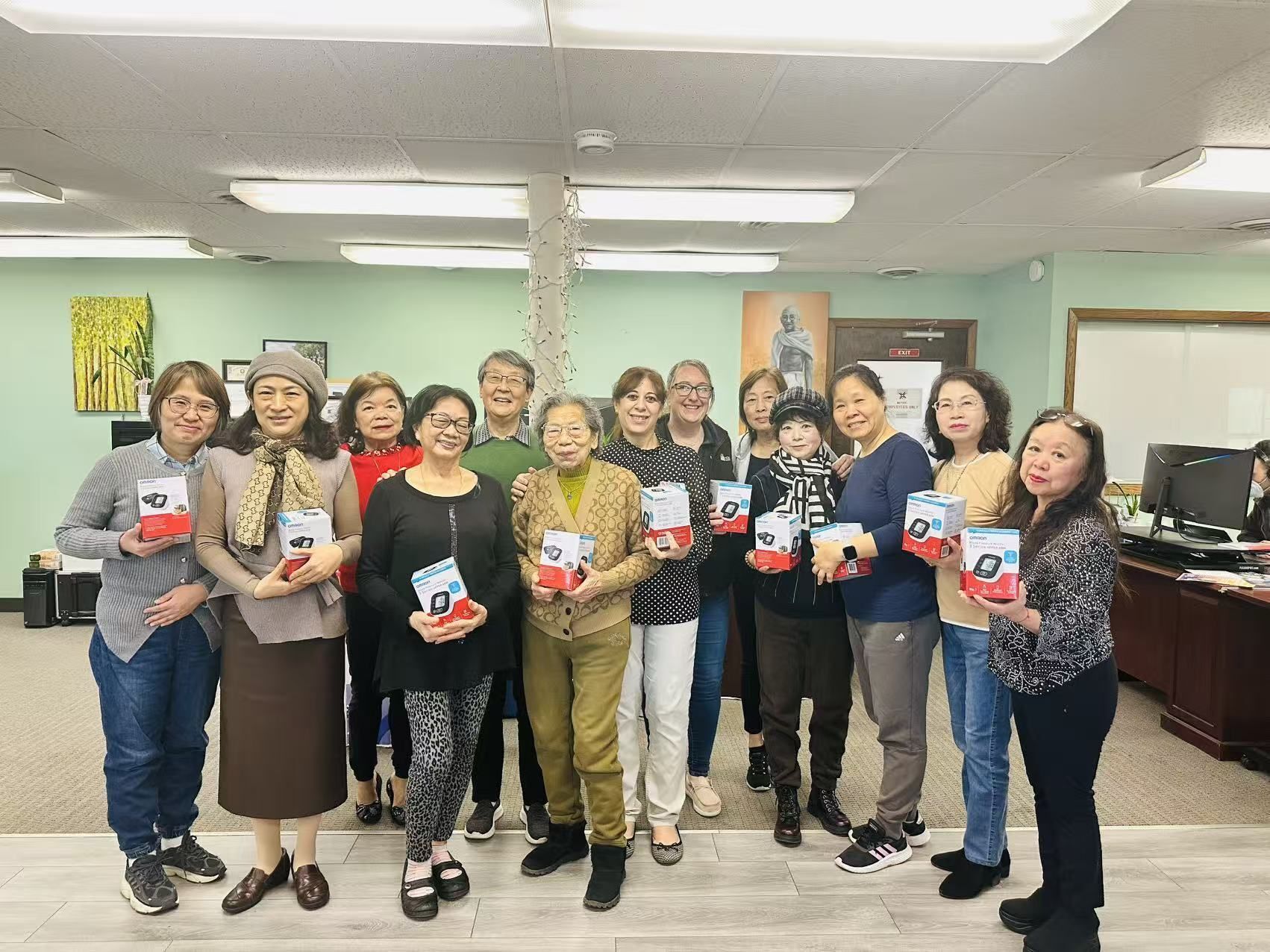
Several participants entered the program without realizing how high their blood pressure was or understanding the risks associated with uncontrolled hypertension. Participants learn proper measurement techniques, practice during class and track their readings over time. Those completing the eight-session course receive a blood pressure monitor through partner support so they can continue monitoring at home.
One participant with undiagnosed hypertension did not feel sick and did not realize the potential consequences of leaving it untreated. During her first workshop, her blood pressure measured 190/100. She borrowed a monitor and tracked her blood pressure at home; her readings remained high. Finding she did not have health insurance, the Extension facilitator connected her with Clinic with a Heart. She was able to see a healthcare provider and begin daily blood pressure medication. She later described the workshop as an “eye-opener” and told her facilitator, “I can’t thank you enough for saving my life.”
Bridging the Gap Between Education and Healthcare
For others, the challenge isn't getting a prescription—it is successfully following a treatment plan. Participants have described barriers including misunderstanding medication instructions, difficulty affording prescriptions, inability to read medication labels and not fully understanding why medication is important when hypertension may cause no noticeable symptoms.
One participant had previously been diagnosed with hypertension and prescribed medication but stopped taking it because of uncomfortable side effects. During a Smart Health for High Blood Pressure workshop offered by Nebraska Extension, her blood pressure remained around 170/90 despite repeated measurements. Nebraska Extension encouraged her to track her measurements weekly and take the log to her healthcare provider who prescribed a different medication that she tolerated without the previous side effects. When she returned to class feeling better, she shared, “I’m so glad I attended this workshop.”
Nebraska Extension Health & Wellbeing facilitators made 8 referrals to a free community clinic, 16 referrals to medical clinics and taught 32 classes alongside a medical professional.
Helping People Turn Health Advice Into Everyday Action
Managing hypertension requires more than knowing that high blood pressure is dangerous. People need practical ways to act on that information. Smart Health participants practice reducing sodium, increasing physical activity, monitoring their blood pressure, managing stress and understanding their medications. After participating in Extension classes, participants increased physical activity by two to three days per week.
This is where Nebraska Extension's community-based approach can make a difference: helping people build the knowledge, skills and confidence to carry health recommendations into their everyday lives—and connecting them back to healthcare when their numbers indicate they need additional support. For participants, success may look like choosing lower-sodium foods, becoming more physically active or remembering to take medication each day. For another person, success may begin with something even simpler: Knowing their numbers—and realizing it is time to get help and a warm referral for where to seek that help. Connect with Nebraska Extension Health & Wellbeing.